These case studies illuminate how cities, states, and localities are implementing solutions using the key levers identified above. These approaches reduce costs, stabilize insurance markets, lower annual utility and maintenance expenses for families, and increase needed housing stock while improving existing housing quality.
Case Study
Building Codes and Energy Codes
Building for Insurability, Resilience, Energy Efficiency, and Housing Affordability: Addressing the True Cost of Housing
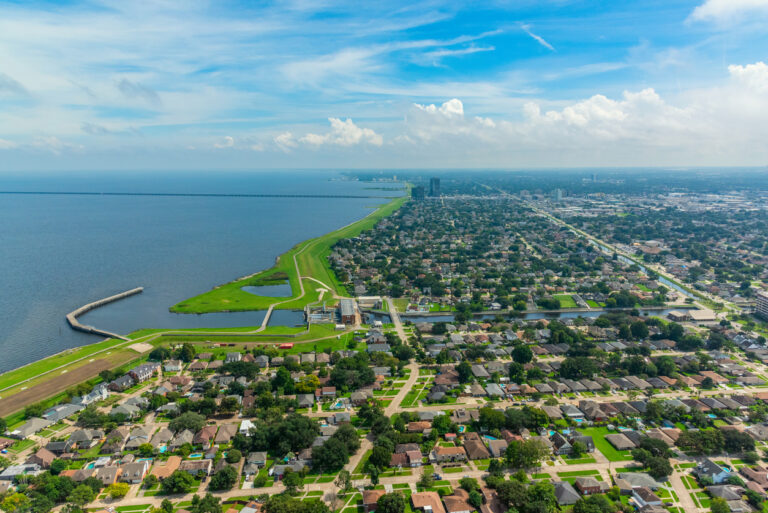
Following Hurricane Katrina’s destruction, Louisiana established a statewide uniform building code to address the fundamental question of: How do we build to be able to continue to live here? Local homebuilders on the Louisiana Code Council advocated for stronger building codes protecting against disaster damage, and energy codes that lower costs, save lives in extreme heat, and prevent mold in Louisiana’s hot, humid climate.
Read More About Building Codes and Energy Codes
Case Study
FORTIFIED and Building Codes
Building for Insurability, Resilience, Energy Efficiency, and Housing Affordability: Addressing the True Cost of Housing
Alabama bolstered its insurance industry and improved family safety by reducing extreme wind and hurricane risks through better coastal building codes and FORTIFIED roof incentives. FORTIFIED is an Insurance for Business and Home Safety (IBHS) program for new and existing homes that is proven to prevent damage from hurricanes, high winds, hail, and severe thunderstorms by making homes stronger and stopping water intrusion at the roof.
Read More About FORTIFIED and Building Codes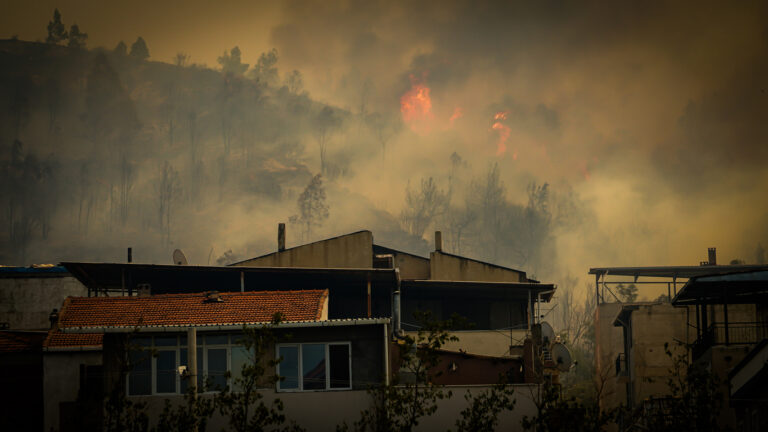
Case Study
Wildfire
Building for Insurability, Resilience, Energy Efficiency, and Housing Affordability: Addressing the True Cost of Housing
In wildfire-prone areas, strategies that reduce home combustibility include metal roofing, air sealing, and removing combustible material within five feet of a home.
Read More About Wildfire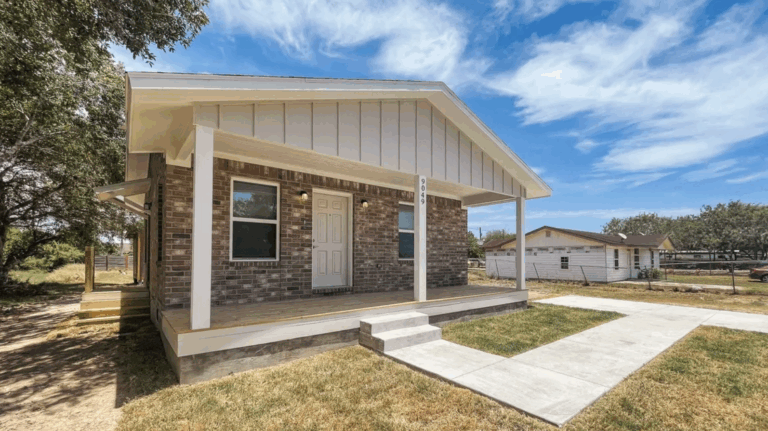
Case Study
Come Dream Come Build
Building for Insurability, Resilience, Energy Efficiency, and Housing Affordability: Addressing the True Cost of Housing
Come Dream Come Build (CDCB) is a 50-year-old community development corporation and CDFI serving low-income communities in the Rio Grande Valley of Texas through rental assistance, housing counseling, new single family and multifamily development, rehabilitation of existing housing, disaster clean up and financing.
Read More About Come Dream Come Build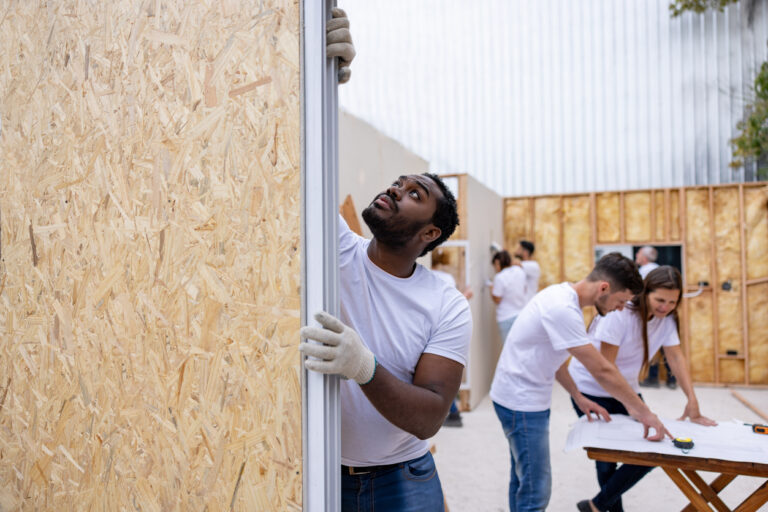
Case Study
Greater Cleveland Habitat for Humanity
Building for Insurability, Resilience, Energy Efficiency, and Housing Affordability: Addressing the True Cost of Housing
Greater Cleveland Habitat for Humanity adopted high-speed modular construction to build 400 homes to meet an American Rescue Plan Act (ARPA) funding deadline.
Read More About Greater Cleveland Habitat for Humanity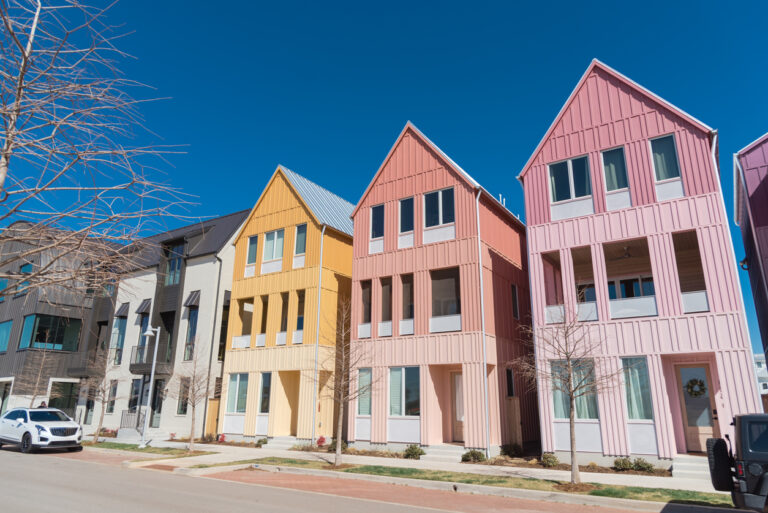
Case Study
Wheeler District
Building for Insurability, Resilience, Energy Efficiency, and Housing Affordability: Addressing the True Cost of Housing
Wheeler District in Oklahoma City is a mixed-use infill neighborhood at a former airport that is walkable and bikeable, and includes a range of diverse price points and housing types from small studio apartments to large single-family homes.
Read More About Wheeler District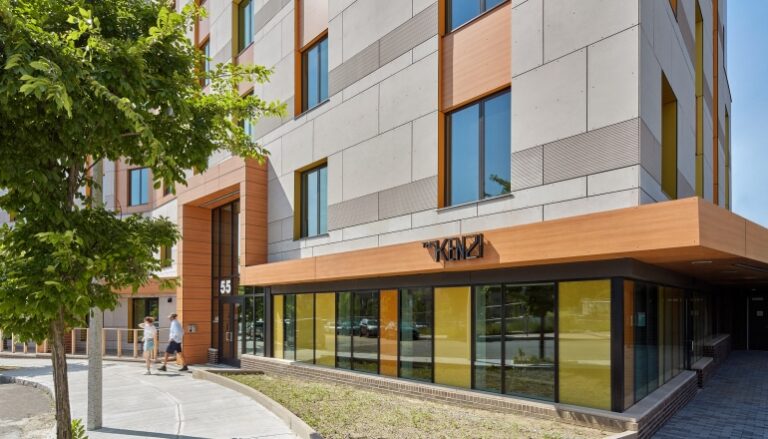
Case Study
Preservation of Affordable Housing
Building for Insurability, Resilience, Energy Efficiency, and Housing Affordability: Addressing the True Cost of Housing
Preservation of Affordable Housing (POAH) is a nonprofit organization that develops, owns, and manages affordable housing in across 13 states and D.C., building highly efficient large, affordable multifamily housing at costs equal to or slightly above buildings that meet code and back up power during power outages for critical devices and refrigeration.
Read More About Preservation of Affordable Housing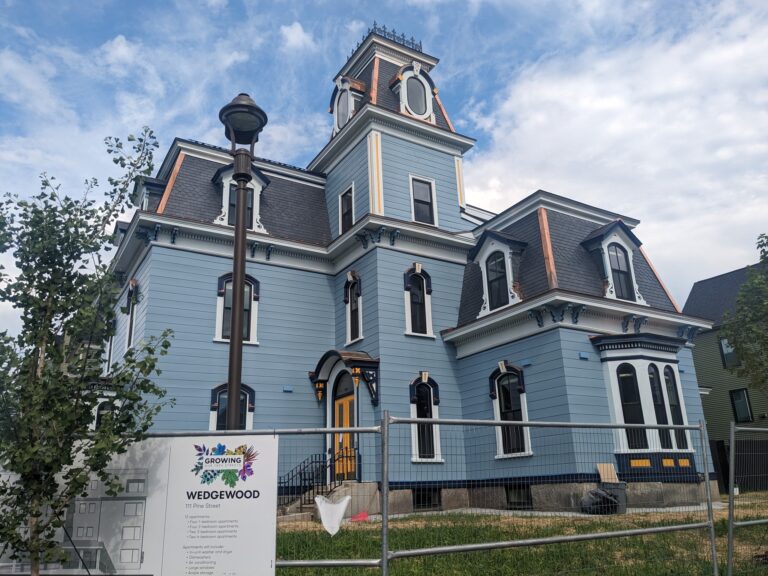
Case Study
Lewiston, ME
Building for Insurability, Resilience, Energy Efficiency, and Housing Affordability: Addressing the True Cost of Housing
In Lewiston, ME, a 220-unit Lewiston Choice Neighborhood Development is under construction to serve the much needed missing middle housing.
Read More About Lewiston, ME
Case Study
Philadelphia Built to Last
Building for Insurability, Resilience, Energy Efficiency, and Housing Affordability: Addressing the True Cost of Housing
Built to Last provides comprehensive home repair services for Philadelphia homeowners who are low income. Created in 2021 by the Philadelphia Energy Authority (PEA), the program simplifies access to a wide range of existing home improvement programs that are complicated to navigate for homeowners, and difficult to stack.
Read More About Philadelphia Built to Last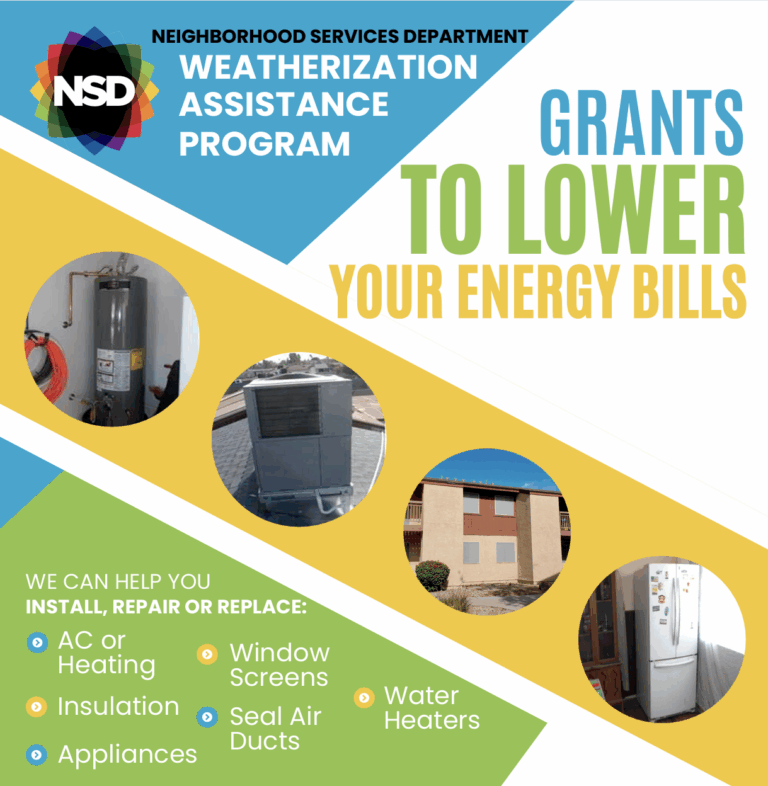
Case Study
Phoenix Housing Repairs and Rehabilitation Program
Building for Insurability, Resilience, Energy Efficiency, and Housing Affordability: Addressing the True Cost of Housing
Housing affordability remains a top concern for Phoenix residents. To help support the high percentage of homeowners, the City of Phoenix’s Housing Repairs and Rehabilitation Programs help low-income homeowners repair vital home systems and structures.
Read More About Phoenix Housing Repairs and Rehabilitation Program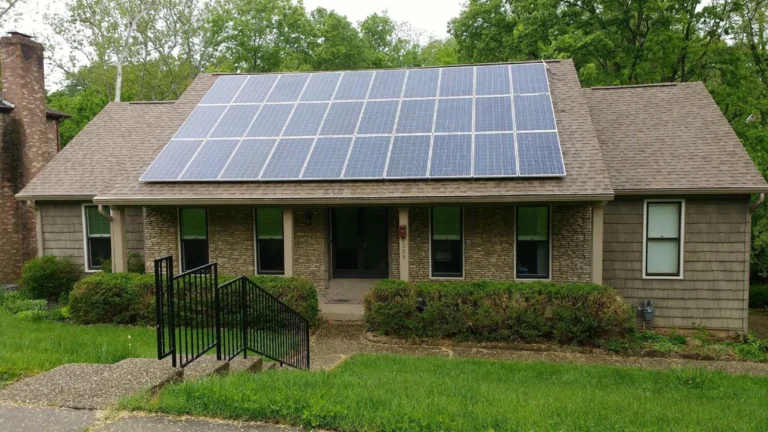
Case Study
Utility Programs Provide a Source of Funding for Energy Improvements in Housing
Building for Insurability, Resilience, Energy Efficiency, and Housing Affordability: Addressing the True Cost of Housing
In many regions of the country, utility programs provide financial support for the incremental cost of energy improvements. For example, Oklahoma’s local utility, OG&E, offered a rebate for geothermal systems at the Wheeler District. In Massachusetts, Mass Save, the utilities’ energy efficiency program, provides incentives for housing that achieves Passive House certification and electrification standards.
Read More About Utility Programs Provide a Source of Funding for Energy Improvements in Housing