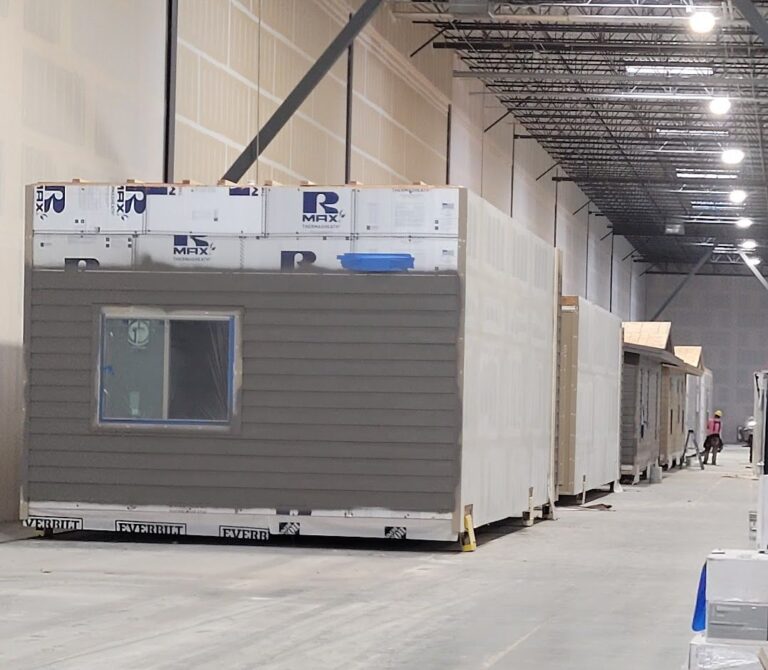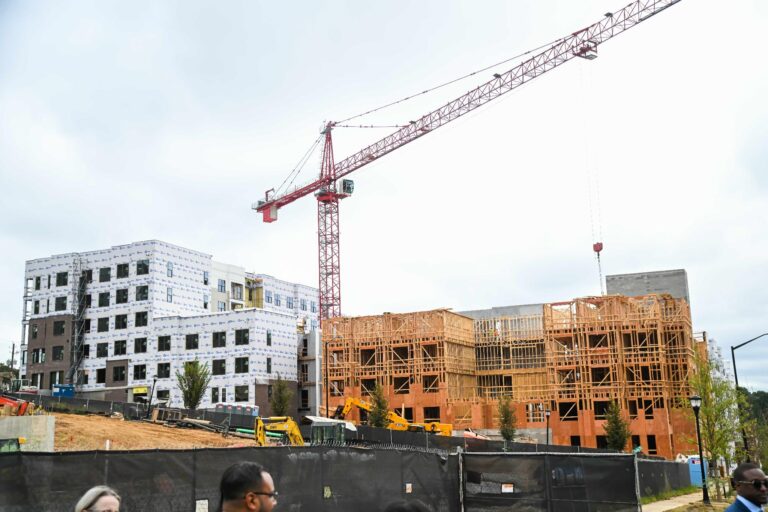
Offsite construction is categorized by the scale of the key structural elements transported from factories to construction sites for assembly. These include so-called “one-dimensional” structural elements (usually referred to as a “kit of parts”), two-dimensional elements (often referred to as “panelized”), and three-dimensional volumetric (usually referred to as modular) elements. Offsite construction is further distinguished based on the degree of enhancement of an element in a factory setting, from purely open structural components to enclosed elements that may include utilities, insulation, and interior/exterior finishes. While three-dimensional modular housing is often the focus in policymaking circles, it is but one form of offsite construction techniques.
Industrialized housing delivery (IHD) goes beyond offsite construction — integrating design and planning, offsite manufacturing, and onsite assembly into a coordinated set of value-added activities. Unlike the fragmented design-bid-build approach dominating U.S. construction, IHD engages all parties from project inception and maintains this collaboration throughout delivery to increase efficiency and improve outcomes. Achieving maximum impact requires long-term planning and investment. The IHD approach balances standardization and customization, resulting in a turnkey housing product developed by a vertically integrated company that can achieve efficiencies in scale and continuous learning. Teams consisting of design and engineering professionals, offsite manufacturers, and onsite builders from unique companies can practice IHD through early coordination on a per-project basis and preferably extending relationships over multiple projects. An IHD team requires a third-party system integrator, a lead stakeholder in project delivery, who can manage and monitor the entire process — this level of integration is necessary to achieve the cost savings and construction time efficiencies available through this method.
Current regulations, contracts, financing, insurance, and training infrastructures are geared toward piecemeal site-built construction rather than a manufacturing-oriented production innovation system, creating challenges for IHD despite its potential. This tool seeks to eliminate these barriers to the application of IHD.