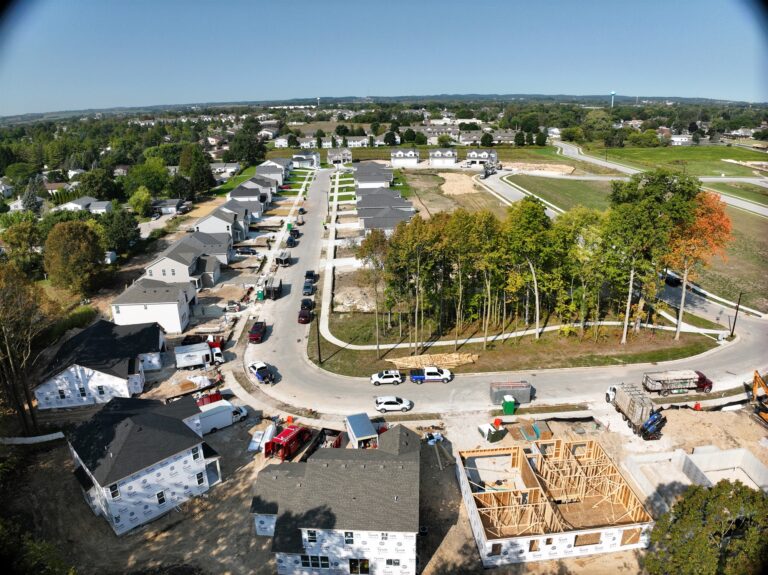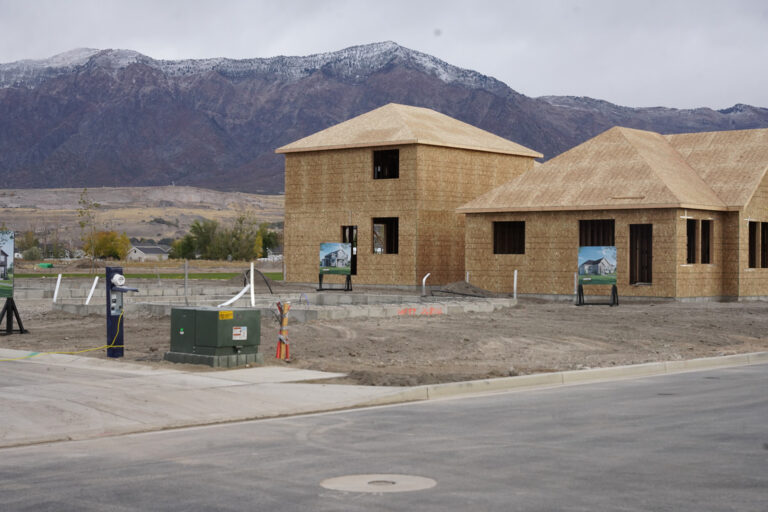
Following the Great Recession, home building ground to a halt. In the five years prior to the Great Recession, an average of 1.5 million new single-family homes were built ever year. Between 2010 and 2014, that number was only 522,000. Starter homes were particularly hard hit: prior to the Great Recession, new homes under 1,800 square feet represented approximately 30% of the single-family housing market; today, that number is only 20%, meaning that, every year, there are at least 200,000 new single-family starter homes missing from the pipeline. New condominium development tells a similar story, with very few new condominium developments having been constructed since 2007.
There are many reasons for this decrease in attainable starter-home development, including a shrunken homebuilding industry that never fully recovered from the Great Recession, workforce shortages, increased regulatory burdens including large-lot zoning and minimum dwelling unit requirements, more stringent condo-defect laws, and more. Federal regulations related to mortgage lending has also limited the number of eligible borrowers who would be interested in
starter homes.
In place of new starter homes, two trends have emerged. First, larger, custom, high-end singlefamily homes, which are more profitable for builders, have crowded out new starter home development. Second, build-to-rent communities where subdivisions that previously may have been developed for owner-occupancy are instead being developed for renters. While there were fewer than 10,000 built-to-rent units under construction in any given quarter prior to 2015, new built-to-rent development has increased to more than 80,000 under construction in 2024.
In recent years, the sharp rise in interest rates has caused additional challenges with the starter home market. The inventory of existing homes for sale has dropped sharply, as existing homeowners have become reticent to move, and give up interest rates that may be three or four percentage points lower than what they could access in today’s interest rate environment. With fewer existing homes for sale, new homebuyers can’t access this part of the inventory either,
leaving them further frozen out of the market.
In order to help first-time homebuyers access a challenging housing market, many communities have turned to downpayment assistance, closing cost assistance, and second mortgages. These are often structured as grants or forgivable loans and may be targeted to households making less than the median income in a region. These subsidies are an important piece of the puzzle, especially for households that are unable to save for a downpayment and closing costs but ultimately don’t address the underlying supply constraints.
While states and cities have historically focused their public investment to spur affordable apartment developments, some communities are now trying to spur the development of new starter homes for sale, including single-family homes, duplexes and triplexes, and condominium buildings. This tool describes two such efforts.