The average cost of constructing a new single-family home has increased 89% since 2017, far outpacing wage growth and inflation, and placing starter homes out of reach for many working Americans. Broader measures of construction costs for all residential buildings (inclusive of multifamily) have grown at more than twice the rate of overall inflation. Additionally, higher interest rates compound these challenges, nearly doubling the average monthly mortgage payment for a median-priced home since 2019. Without a dedicated local source of funding to help fill these gaps, many cities will struggle to produce needed housing, deepening an already acute affordability crisis.
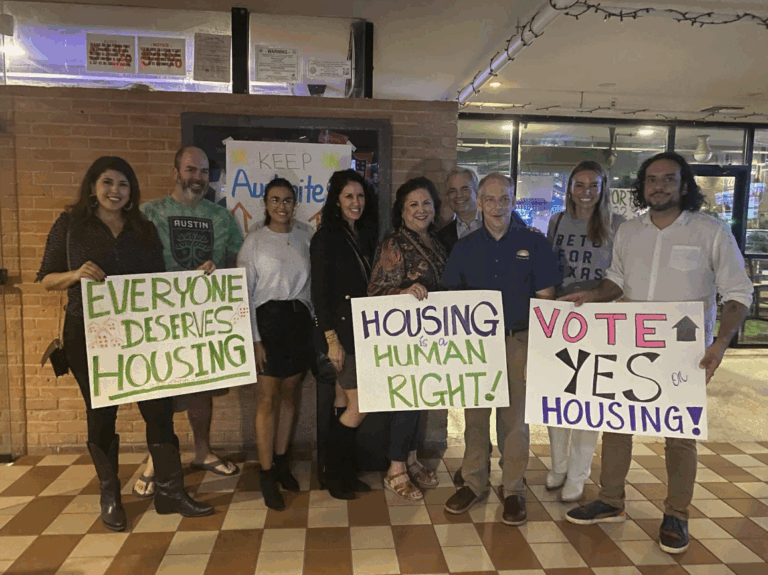
Polling consistently demonstrates that a broad majority of Americans across geographic and political lines are concerned about the housing crisis. A national poll conducted in the fall of 2024 found that 76% of Americans believed housing affordability was worsening, with even higher concern among rural and suburban residents. Another poll conducted in the summer of 2024 found that 83% of Democrats, 71% of independents, and 68% of Republicans believed that the lack of affordable homes was a significant problem. This shared recognition and concern presents a clear opportunity for elected officials around the country to pursue local investments in housing production. Indeed, several ballot measures which called for increases in taxes to finance housing production passed in the fall of 2024, even amidst voters’ broader cost-of-living anxieties.
Seattle’s 1986 Housing Levy was the first local ballot measure passed to raise property taxes for affordable housing. Voters have renewed the levy six times, most recently in 2023. In the years since, dozens of local governments around the country have passed similar ballot measures dedicated to affordable housing production, preservation, and homelessness support services.
Meanwhile, private housing production has decreased dramatically in the wake of the 2008 financial crisis, with most new homes produced without subsidy now unaffordable for those earning at or below median income. The average starter home is now only affordable to a household making $77,000 or more a year, up from $40,000 in 2019. The median household income nationally was $80,000 in 2023, suggesting that nearly 50% of US households are unable to afford a starter home. Additionally, on a per capita basis, federal investments in affordable housing have declined since their peak in the 1970s, while construction, maintenance, financing, and insurance costs have risen, leaving more projects financially unviable without local support.
Local funding can be a critically important way for cities and local leaders to close these gaps, particularly for households earning at or below the regional median. These dollars provide flexibility, can be tailored to local needs, and are often crucial to unlocking other sources such as Low-Income Housing Tax Credits (LIHTC), private capital, or philanthropy. They also allow cities and counties to target support for specific populations, including seniors, veterans, families, or individuals experiencing homelessness.
Further, dedicated local funding sources can incentivize and channel private capital into community priorities, as developers may sometimes be willing to adjust projects to qualify for local public funding. San Antonio, for example, has leveraged the $67 million it has disbursed to date from its 2022 housing bond with $644 million in private and federal funds, with the vast majority of units (91%) affordable for households making 80% of AMI or less.